
Herbal Lore
The Snowdrop and the Split Thumb: Spring’s Double Edge
The sight of the first snowdrop is a promise, but the soil it pushes through is still holding the winter's bite. Spring gardening is a trade-off: you get the return of the light, but your hands pay the price in red knuckles and split skin. Most shop-bought creams offer little more than a plastic raincoat of petroleum that smothers the problem without fixing it. We do things differently, using the slow, stubborn power of plant-infused oils to actually mend what the cold has broken.
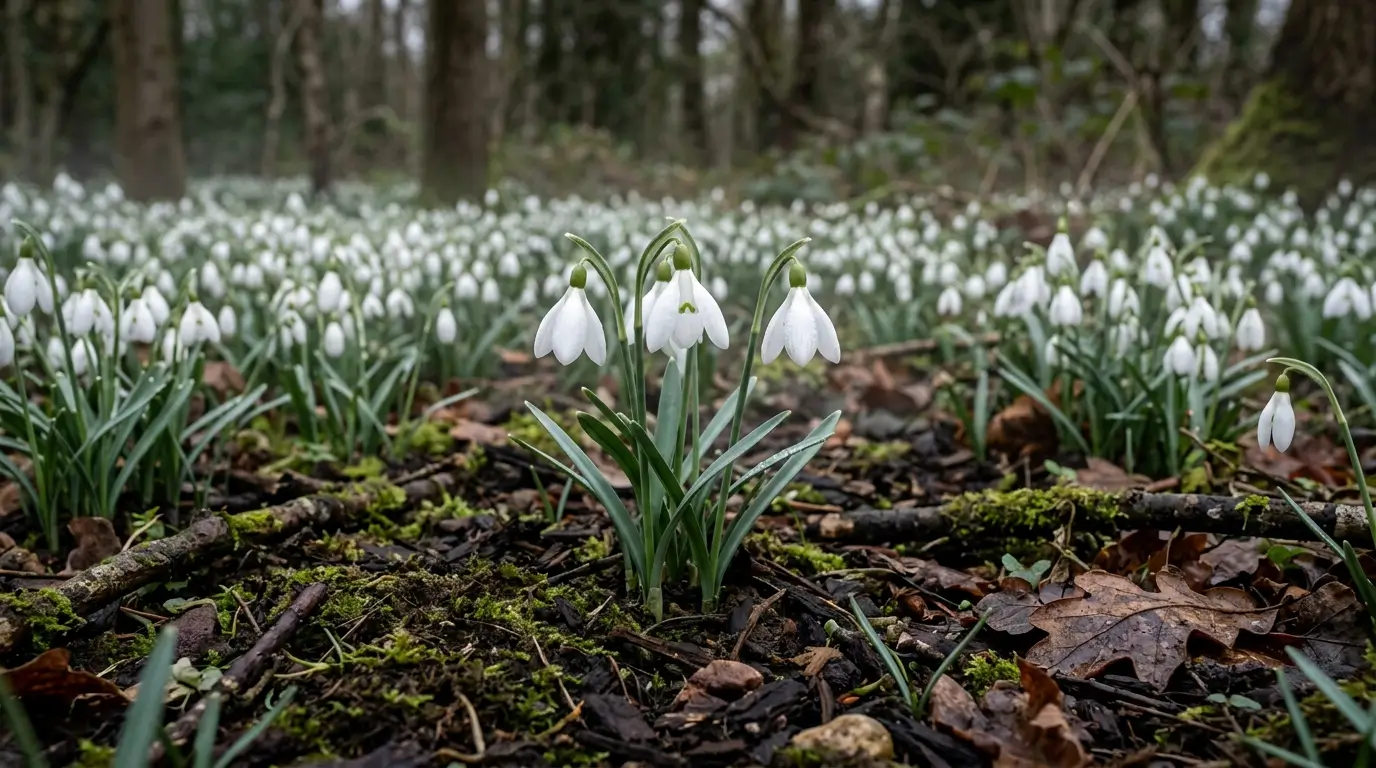
There is a specific, quiet thrill that comes with the first sighting of a snowdrop. It’s a tiny, defiant thing—a drop of white milk against the grey, frozen crust of the earth. It tells you that the sun is coming back, that the sap is rising, and that it’s time to find your boots.
But there’s a sting in the tail of early Spring.
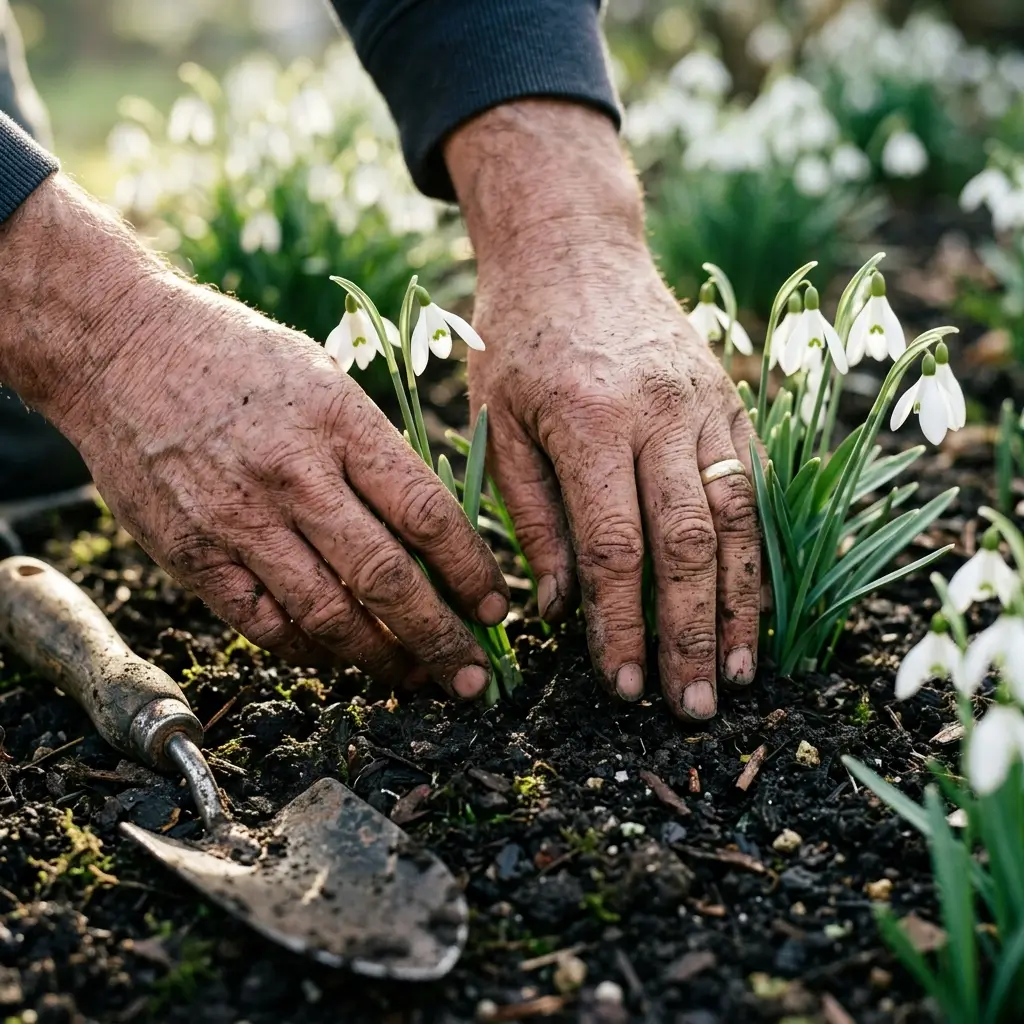
The air might be getting brighter, but the soil is still holding the deep, biting cold of Winter. It’s damp, heavy, and unforgiving. When you go out to clear the deadwood or prep the first rows, your hands are the first things to pay the price. Within an hour, the knuckles are red and the skin around your nails feels like it’s been sanded down.
By the time you come back inside, you aren’t thinking about the poetry of the flowers. You’re looking for something—anything—to stop the ache.
The Illusion of the Raincoat
Most people reach for whatever tube is nearest. Usually, it’s a mass-produced cream built on a foundation of petroleum or mineral oil.
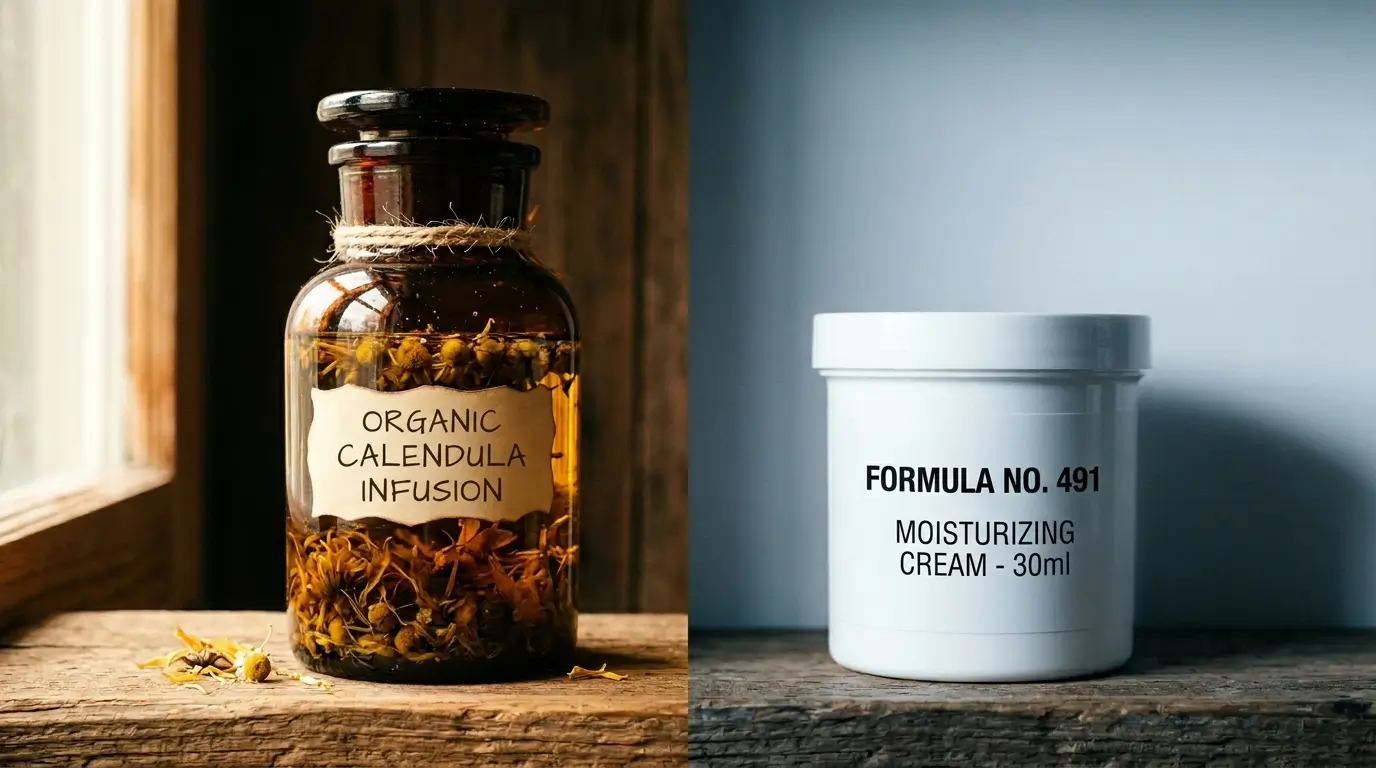
If you look at the back of the bottle and see “Paraffinum Liquidum,” you aren’t putting medicine on your skin. You’re putting on a plastic raincoat. It creates a seal, certainly, but it’s a hollow victory. Petroleum-based products sit on the surface, trapping whatever dirt and dampness are already there. They don’t feed the skin; they just smother it.
It’s the difference between covering a wound with a piece of clingfilm or treating it with a poultice. One just hides the problem; the other starts the mend.
The Spirit of the Roadside Guardian
In our workshop, we don’t believe in smothering the skin. We believe in supporting it.
This is where the Plantain comes in. To most, it’s just a weed in the lawn, but to a herbalist, it is a “mender.” We take the leaves and infuse them slowly into rich oils. We don’t rush this—it takes time for the spirit and the chemistry of the plant to move into the oil.
When you apply a plant-infused oil, your skin recognises it. It doesn’t just sit on top; it sinks in. The Plantain carries with it a natural ability to soothe inflammation and help the skin knit itself back together. It isn’t “marketing magic”—it’s the old, deep chemistry of the hedgerow.
Tending the Gardener
We often spend so much time worrying about whether the seedlings are warm enough or if the soil has enough nutrients that we forget we’re part of the garden too. Your hands are your primary tools. If they’re cracked and stinging, the joy of the work starts to fade.
You don’t need a complicated “skincare regime.” You just need to put back what the cold soil has taken out.
After you’ve washed the grit away, use something that actually has the heart of a plant in it. Our Muck & Magic range is built on these slow infusions—Plantain, Calendula, and Borage. It’s designed for hands that have earned their keep.
The snowdrops are a promise that the garden is waking up. Make sure your hands are ready to greet it.
More from The Workshop Ledger

Does Hand Cream Expire? Natural Skincare Shelf Life Guide
Yes, hand cream expires. Natural formulations last 6-12 months. Learn the signs of expired cream and how to store yours …
Why Your Skin Can’t Breathe Under Petroleum
If you look at the back of a mass-produced hand cream, you’ll likely see Paraffinum Liquidum at the top of the list. It’…